Linked double crochet (LDC) is a variation of the standard Double Crochet stitch. This crochet technique n\creates a denser, more solid fabric with fewer gaps than traditional double crochet. Instead of a starting yarn over, the new stitch is “linked” by inserting the hook into the horizontal bar of the previous stitch.
This variation is useful for projects that need a tighter weave, like garments, bags, and blankets I have right and left-handed tutorials to support you with linked Double Crochet. Visit my Youtube Channel to view the series.
Features and Characteristics of Double Crochet Stitch
- Dense fabric: The nature of the interlocked stitches gets rid of the usual holes and gaps found in the space between stitches in traditional Double Crochet, packing the stitches together like little soldiers linked arm in arm. It makes the knots and stitches of yarn behave more like a standard piece of fabric.
- Pleasing texture: The horizontal bars on the stitches create a ridged texture on one side of the fabric. It reminds me of the way knitted fabric looks and behaves in a similar way.
- Less stretch: The fabric produced by this stitch has less stretch and more structure than standard Double Crochet.
- Versatile: It is used for items that require a sturdy, supportive, and non-see-through fabric, such as hats, bags, and sweaters. I also love it for pockets, bust areas and collars.
First stitch of a new row
- Chain 3 to start the row. You may chain 2 for a slightly tighter edge.
- Insert your hook into the second chain from the hook, yarn over, and pull up a loop.
- Insert your hook into the first stitch of the row, yarn over, and pull up another loop. You will have three loops on your hook.
- Yarn over, pull through the first two loops.
- Yarn over, and pull through the remaining two loops to complete the first linked double crochet.
After the first stitch in a row…
- Find the horizontal bar on the middle of the last stitch you made.
- Insert your hook under that horizontal bar, yarn over, and pull up a loop. You will have two loops on your hook.
- Insert your hook into the next stitch, yarn over, and pull up a loop. You will have three loops on your hook.
- Yarn over, pull through the first two loops.
- Yarn over, and pull through the last two loops to complete the stitch.
To be honest, it is actually one of my all time favourite go-to stitches. It is practical for clothing, quick to work up, economical with yarn, behaves like dressmaking fabric, can be used similar to Single Crochet BUT has the benefit of taking the same time as Double Crochet! It is perfect for more structure and a bit of modesty so I use it for pockets, collars and the chest area (and everywhere really!) . The other benefit is it doesn’t look too “traditional” and frilly. Don’t get me wrong, I also love lacy stitches but sometimes you just want a clean and modern stitch so that your overall garment structure is the star of the show rather than the stitch used.
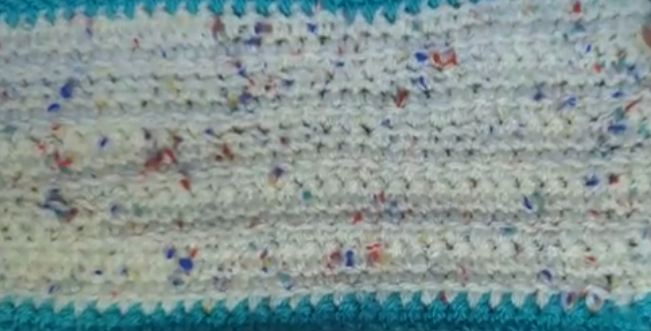
I have a top tip for using LDC in everyday crochet so that it is not too stiff. No-one wants to wear clothes that feel like wearing cardboard. So if a pattern is DC but you want to make it less ‘holey’, you can swap the recommended hook for a couple of sizes bigger. Always do a swatch first to make sure that you will get the size that you need.
Let me know if you use Linked Double Crochet and if you love it as much as I do. Wait until I start talking about the combination of Linked Double Crochet in a chainless foundation! It is a super technique, but one to be discussed at a later date. I have also recently tested out making a Linked Treble Crochet for a pattern I am designing at the moment… and I will do a tutorial once it is released.